Uneven heating is one of the most common frustrations homeowners face, especially in older properties. One room feels overly warm while another stays stubbornly cold, no matter how high the thermostat is set. Many assume the only solution is replacing the boiler—but that’s rarely necessary.
In reality, improving how heat moves through your home often comes down to simple adjustments and routine maintenance. With the right approach, you can create a more comfortable living space while reducing energy waste and heating costs.
Why Radiators Don’t Heat Evenly
Before fixing the issue, it’s important to understand what causes uneven heating in the first place. Radiators rely on a balanced flow of hot water throughout the system, which directly affects overall radiator heat distribution. When that flow is disrupted, some radiators heat up faster than others.
Common causes include trapped air, sludge buildup, poor system balancing, and blocked airflow. Even small issues—like furniture placed directly in front of a radiator—can significantly affect performance.
Older homes are particularly prone to these problems due to aging pipework and less efficient layouts.
Bleeding Radiators for Immediate Improvement
One of the quickest and most effective fixes is bleeding your radiators. Over time, air can become trapped inside the system, preventing hot water from circulating properly.
Signs your radiator needs bleeding include cold spots at the top or strange gurgling noises. Releasing this trapped air allows the radiator to fill completely with hot water again, restoring its efficiency.
This is a simple task most homeowners can do themselves with a radiator key. Just make sure the heating system is turned off and the radiator has cooled before starting.
Balancing Your Radiators for Consistent Heating
Radiator balancing is often overlooked but plays a crucial role in ensuring even heat distribution. When radiators are unbalanced, those closest to the boiler tend to heat up quickly, while those farther away remain cooler.
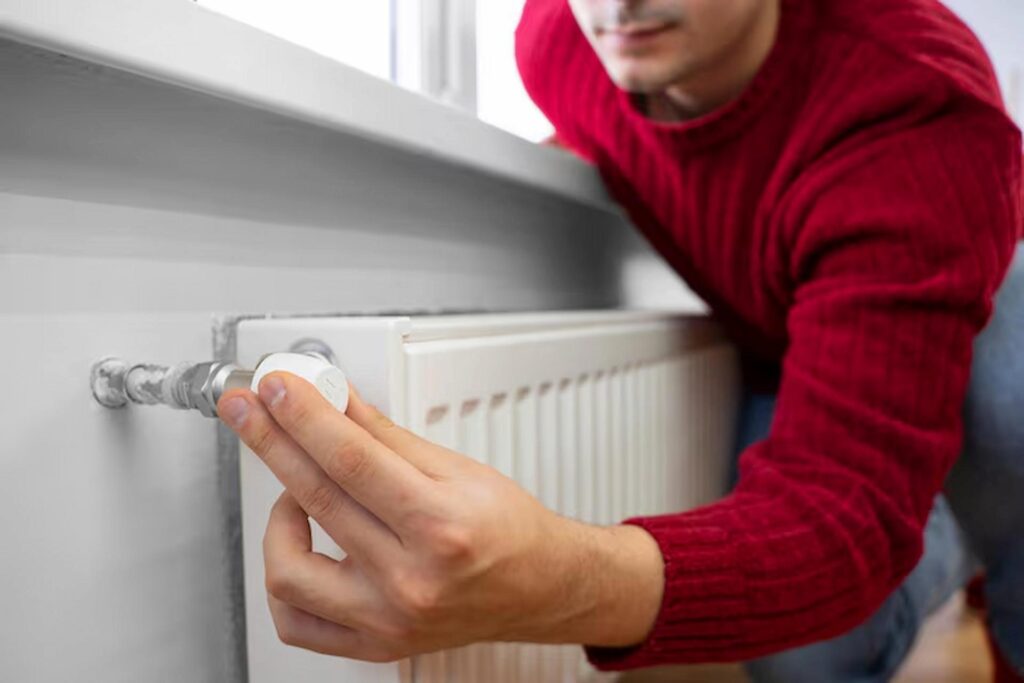
Balancing involves adjusting the valves on each radiator to control how much hot water flows through them. The goal is to ensure every radiator heats up at roughly the same rate.
While it may take a bit of time to get right, the results are worth it. A properly balanced system improves comfort across your entire home without increasing energy use.
Optimizing Radiator Placement and Airflow
Even a well-functioning heating system can struggle if radiators are blocked or poorly positioned. For heat to circulate effectively, radiators need space.
Avoid placing large furniture directly in front of them, as this traps heat and prevents it from spreading into the room. Curtains that cover radiators can have a similar effect, directing heat toward windows instead of the living space.
Wall placement also matters. Radiators are often installed under windows to counteract cold air entering the room. However, ensuring proper airflow around them is key to maximizing performance.
If you want a deeper understanding of how positioning impacts performance, this guide on radiator heat distribution explains how strategic placement can improve warmth throughout your home.
Using Reflective Panels and Smart Accessories
Small upgrades can make a noticeable difference in how effectively your radiators heat a room.
Reflective panels installed behind radiators help redirect heat back into the room instead of letting it escape through walls. This is especially useful for external walls where heat loss is more common.
Thermostatic radiator valves (TRVs) are another valuable addition. They allow you to control the temperature of individual radiators, helping maintain consistent comfort in different rooms.
You can also consider radiator fans or heat boosters, which improve air circulation and distribute warmth more evenly.
Improving Overall Home Heating Efficiency
Sometimes the issue isn’t just the radiators—it’s how well your home retains heat. Improving overall efficiency can enhance the performance of your entire heating system.
Start with insulation. Properly insulated walls, floors, and loft spaces help retain heat for longer, reducing the strain on your radiators.
Draft-proofing is another simple but effective step. Sealing gaps around windows and doors prevents warm air from escaping and cold air from entering.
Smart thermostats can also play a role by giving you better control over heating schedules and temperatures. This ensures heat is distributed when and where it’s needed most.
Many homeowners find that improving radiator heat distribution alongside these efficiency measures leads to a more balanced and cost-effective heating system.
When to Consider Professional Help
While many heating issues can be resolved with simple fixes, some situations require professional attention.
If certain radiators remain cold despite bleeding and balancing, there may be a deeper issue within the system. Sludge buildup, for example, can restrict water flow and reduce efficiency. In such cases, a power flush may be necessary.
Problems with pipework design or aging components can also impact performance. A heating specialist can assess the system and recommend targeted improvements without the need for a full replacement.
Understanding how to improve radiator heat distribution is often the first step, but expert guidance can help address more complex issues effectively.
Conclusion
Uneven heating doesn’t have to mean expensive upgrades or a new boiler. In most cases, simple adjustments—like bleeding radiators, balancing the system, and improving airflow—can make a significant difference.
By combining these steps with smart efficiency upgrades such as insulation and draft-proofing, you can create a home that feels consistently warm and comfortable.
Taking a proactive approach not only improves comfort but also helps reduce energy consumption and heating costs. With the right strategy, even older homes can achieve reliable and efficient heat distribution without major renovations.