Spring is the perfect time to refresh your home—not just visually, but functionally. As temperatures rise and seasonal changes take effect, your plumbing system can face new challenges, from increased water usage to shifting ground conditions. Taking a proactive approach now can help you avoid costly repairs and unexpected disruptions later.
Starting with a Spring plumbing maintenance checklist ensures you cover all essential areas efficiently. A structured approach helps identify minor issues before they escalate into major problems, keeping your home safe, efficient, and comfortable throughout the season.
Why Spring Plumbing Maintenance Matters
Winter can be tough on plumbing systems. Freezing temperatures may have stressed pipes, caused small cracks, or weakened connections. As the weather warms, these hidden issues can become more noticeable.
Spring maintenance allows homeowners to:
- Detect leaks early
- Improve water efficiency
- Extend the lifespan of plumbing fixtures
- Prevent water damage and mold growth
Regular upkeep also supports overall home performance, aligning with broader goals like energy efficiency and indoor comfort—especially when plumbing systems interact with HVAC components such as water heaters.
Inspecting Pipes and Fixtures
Check for Visible Leaks
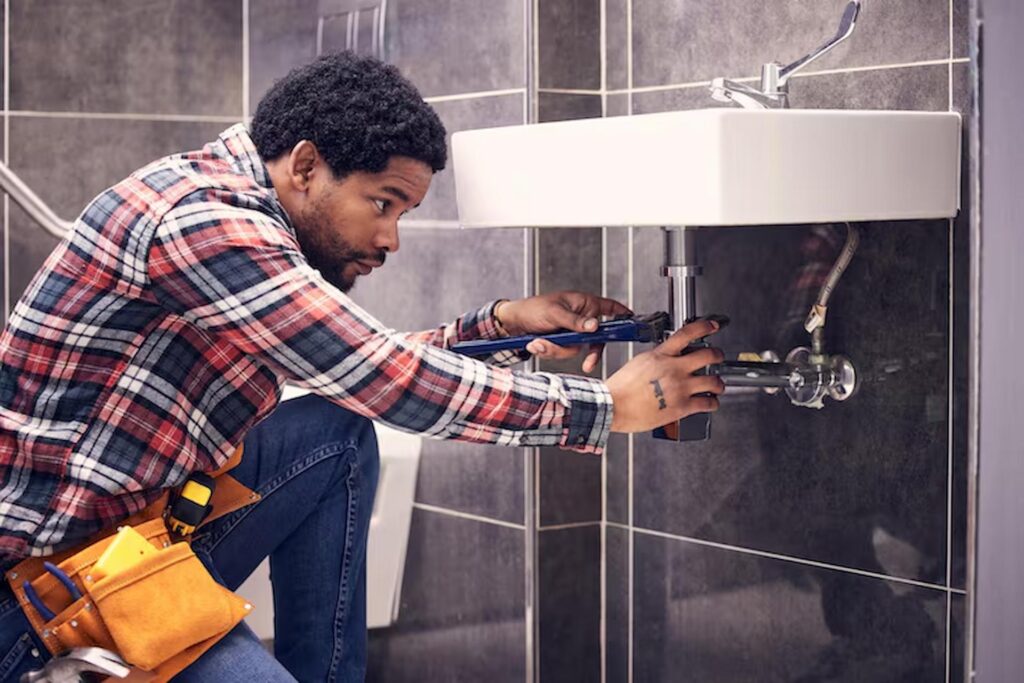
Start by inspecting exposed pipes under sinks, in basements, and around appliances. Look for moisture, corrosion, or small drips. Even minor leaks can waste significant amounts of water over time.
Test Faucets and Showerheads
Turn on all faucets and showerheads to check for:
- Low water pressure
- Irregular flow
- Dripping after shutdown
These signs may indicate mineral buildup or worn-out components that need replacement.
Examine Toilets for Hidden Leaks
A silent toilet leak can go unnoticed but increase your water bill. Add a few drops of food coloring to the tank—if color appears in the bowl without flushing, there’s a leak that needs attention.
Maintaining Drains and Sewer Lines
Clear Slow Drains
Slow drainage is often caused by buildup of grease, soap residue, or debris. Use a safe, non-corrosive cleaner or a mixture of baking soda and vinegar to flush out minor clogs.
Prevent Future Blockages
Avoid pouring grease or food scraps down the kitchen sink. Install drain screens to catch hair and debris in bathrooms.
Inspect Sewer Lines
If you notice persistent odors or multiple slow drains, it may indicate a sewer line issue. Early detection can prevent major backups and costly repairs.
Water Heater Maintenance for Efficiency
Your water heater plays a crucial role in both plumbing and HVAC systems. Spring is an ideal time to ensure it’s operating efficiently.
Flush the Tank
Sediment buildup can reduce efficiency and increase energy consumption. Flushing the tank helps maintain performance and extends the unit’s lifespan.
Check Temperature Settings
Set your water heater to around 120°F for optimal energy efficiency and safety. This reduces the risk of scalding while lowering utility costs.
Inspect for Wear
Look for signs of rust, leaks, or unusual noises. These may indicate the need for professional servicing or replacement.
Outdoor Plumbing and Irrigation Checks
Outdoor plumbing often goes overlooked but is especially vulnerable to winter damage.
Inspect Hose Bibs and Outdoor Faucets
Turn on outdoor faucets and check for leaks or reduced pressure. Damage from freezing temperatures can cause cracks inside the pipe.
Test Irrigation Systems
Run your sprinkler system and observe for:
- Broken sprinkler heads
- Uneven water distribution
- Leaks in underground lines
Efficient irrigation supports water conservation and keeps your landscaping healthy.
By revisiting your Spring plumbing maintenance checklist, you can ensure no outdoor components are missed as you transition into warmer months.
Simple Preventive Tips for Homeowners
Taking small, consistent actions can make a big difference in preventing plumbing issues. Here are practical steps to follow:
- Schedule a seasonal plumbing inspection
- Insulate exposed pipes to prevent temperature fluctuations
- Monitor your water bill for unexpected increases
- Clean aerators and showerheads to maintain water pressure
- Avoid chemical drain cleaners that can damage pipes
- Know the location of your main water shut-off valve
These habits not only protect your plumbing system but also contribute to better energy efficiency and long-term home maintenance.
Supporting Home Comfort and Efficiency
A well-maintained plumbing system directly impacts your home’s comfort. Efficient water flow, consistent hot water supply, and leak-free fixtures all contribute to a smoother daily routine.
Additionally, plumbing maintenance complements HVAC performance. For example, a properly functioning water heater reduces energy strain, while leak-free systems help maintain indoor air quality by preventing moisture-related issues.
Homeowners who invest in routine maintenance often experience fewer emergencies, lower utility bills, and improved overall system reliability.
Conclusion
Spring is more than just a season of renewal—it’s an opportunity to protect your home from preventable plumbing problems. By taking a proactive approach and following a structured maintenance routine, you can address small issues before they become costly repairs.
From inspecting pipes and maintaining your water heater to checking outdoor systems, each step plays a role in keeping your home efficient and comfortable. Start early, stay consistent, and consider professional inspections when needed. A little effort now can save time, money, and stress throughout the year.