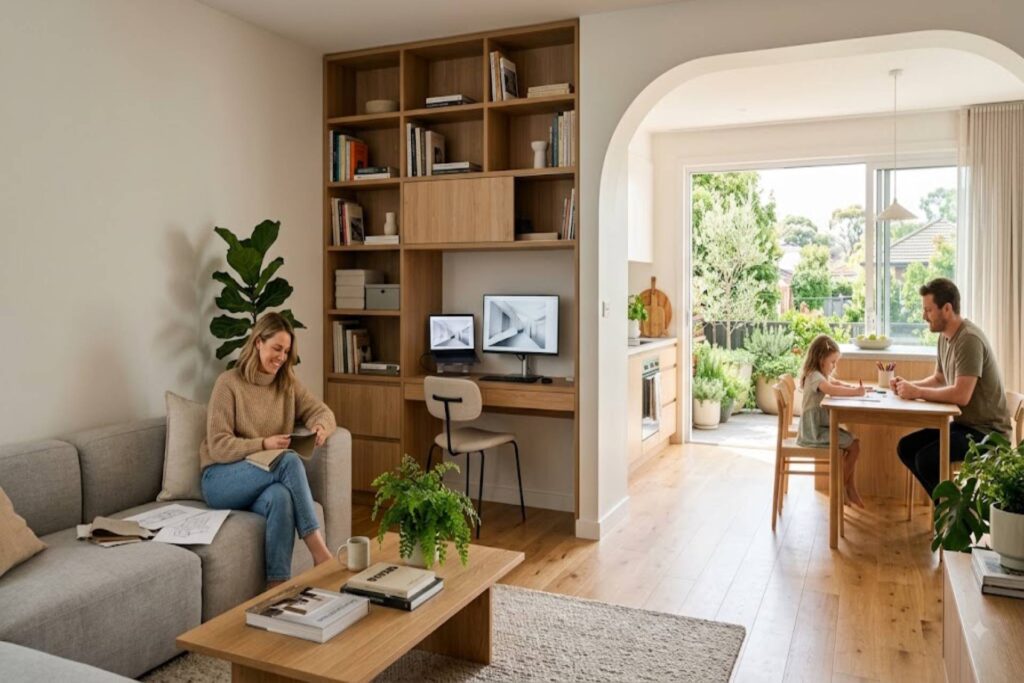
A modern nest isn’t about copying a magazine spread. It’s about building a home that still looks great while it adapts to real life—job changes, family growth, health needs, and even the quiet “we’re downsizing now” season. The goal is simple: a stylish home that stays comfortable, functional, and emotionally grounded for years.
Below is a practical way to design for today without locking yourself into tomorrow’s trends.
What “Modern Nest” Living Really Means
Think of your home as a calm basecamp. It should support how you live right now and still work when your life shifts.
A modern nest prioritizes:
- Adaptability (space and storage that can change)
- Emotional comfort (warmth, light, and pleasing textures)
- Future readiness (layout choices that won’t fight you later)
- Everyday ease (less friction, fewer “why is this so hard?” moments)
This is what makes the approach feel timeless. Interior styles come and go. A home that functions well across life stages is a different kind of lasting value.
Start With the Layout: Open, But Not Empty
Open layouts can feel freeing—until they start to blur your life into one big space. The modern nest keeps things open and intentionally defined.
Try these layout principles:
- Create zones, not walls. Use area rugs, lighting, furniture placement, or partial room dividers to separate work from living.
- Plan for traffic flow. If people have to squeeze past each other, you’ll feel it every day.
- Keep flexibility in the “middle.” The center of your home should be the easiest to reconfigure as needs change.
A simple test: Imagine your home with one new routine. Maybe it’s a home office start, baby gear, or a new hobby. If you can still move comfortably and use the space naturally, you’re designing for the long term.
Modular Furniture That Grows With You
If you want your home to evolve, your biggest win is choosing pieces that don’t demand a “forever” layout.
Look for modular or reconfigurable options like:
- Sectional seating that can expand, shrink, or rotate
- Storage benches and ottomans that double as seating
- Moveable console tables (use as entry storage today, bar setup tomorrow)
- Dining tables with extensions for hosting seasons
Even better: pick furniture that works in more than one room. A media console that can become a craft station later? That’s modern nest thinking.
Layer Warmth Into Sleek Spaces
Sleek design can sometimes feel cool, visually flat, or too “staged.” The modern nest solves this with layered comfort—not clutter.
A few high-impact ways to add warmth:
- Mix materials: wood + soft textiles + metal accents (not all one finish)
- Use layered lighting: overhead for basics, task lighting for comfort, and warm lamps for evenings
- Add texture on purpose: a knit throw, a washable rug, linen-like curtains, or a boucle-style chair
- Choose calming colors: neutral foundations with one or two richer tones (like olive, clay, navy, or warm charcoal)
When a room feels inviting, it becomes easier to live in it. Warmth isn’t a decoration style—it’s an emotional feature.
Flexible Rooms for Real Life
You don’t need “extra” rooms if you design the ones you have to be flexible.
Consider the most common life changes:
- Remote work becomes permanent (or disappears)
- Kids go from play to homework to activities
- Guests shift from “overnight visitors” to “weekend hangouts”
- Hobbies appear, then evolve, then maybe disappear
Design a room that can shift by using:
- Furniture that can change function (desk → writing table, guest bed → lounge seating)
- Sliding or curtain-based separation for privacy when needed
- Wall systems for adjustable storage instead of built-ins that can’t move
Flexibility doesn’t mean chaos. It means your home can respond without you starting over.
Remote Work Integration Without the Office Feel
Remote work should not turn your home into a permanent workplace environment. The modern nest makes work feel contained and breathable.
A practical setup:
- Give your work zone a “home.” Even a small dedicated corner helps your brain switch modes.
- Use task lighting so you’re not relying only on overhead glare.
- Plan for easy visual resets: closed storage for supplies, a tray for daily tech, and a spot for headphones.
- Keep the rest of the room calm. Your living space should still feel like living.
If possible, choose a desk that can be pushed back or covered when the workday ends. That tiny reset changes the emotional tone of the whole house.
Build Wellness Spaces That Don’t Require a Renovation
Wellness doesn’t need a full spa makeover. In a modern nest, wellness shows up as small, intentional environments you can use every day.
Start with one or two “restful anchors,” such as:
- A reading nook with comfortable seating and warm light
- A movement corner with a wall hook for a mat and bands
- A quiet zone with soft sound and fewer visual distractions
- A self-care station (even in a closet-sized footprint) with skincare, towels, and calming scent
The key is making it easy to start. If the space is inconvenient, you won’t use it consistently.
Family-Friendly Design That Doesn’t Look “Babyish”
Family-friendly homes should feel lived-in and durable, but also attractive. You can have both.
Prioritize:
- Materials that can handle reality: stain-resistant fabrics, easy-clean finishes, and washable textiles
- Safe storage design: closed bins for small items, labeled shelves, and reachable drawers for kids
- A “drop zone” near entries: bags, keys, shoes, and school items have one home
- Surface planning: choose surfaces that won’t feel stressful to keep tidy
And yes—keep it beautiful. A home that looks good encourages better habits. When everything feels intentional, you don’t dread everyday mess.
Clutter-Free Organization That Works Across Life Stages
The biggest mistake people make is organizing for a single phase. A modern nest organizes for change.
Use these strategies to stay functional long-term:
- Store by category, not by mood. Tools together, kid items together, paperwork together.
- Keep everyday items at eye level and seasonal items higher or deeper.
- Use “zones of control.” Entry, kitchen, and laundry areas are where clutter tends to appear first.
- Label and simplify. Clear labels reduce decision fatigue and help everyone put things back.
- Choose storage that looks good in the room. Closed storage prevents visual overload without turning your home into a warehouse.
A quick rule: if you need a system you hate using, it won’t last. Make the “right thing” the easy thing.
Let Storage Support Design (Not Fight It)
When storage is ugly or hidden badly, it becomes a constant source of tension. The modern nest treats storage like architecture: purposeful, built into the flow of the home.
Better options than endless bins:
- Built-in cabinets or sideboards with clean lines
- Furniture with concealed storage
- Credenzas and media units that keep small items out of sight
- Entry storage with a rhythm: shoe area, hooks, and a small catch-all surface
The goal is to keep your home looking calm while still being highly usable.
Sustainable Style: Avoid “Fleeting Trend” Traps
A home that evolves should be less dependent on fast-changing aesthetics.
To keep your look current without constant upgrades:
- Choose a neutral base you truly like
- Add trend through replaceable elements (pillows, art, rugs, hardware, lighting)
- Invest in the “infrastructure” pieces: layout, flooring, and major furniture silhouettes
- Keep a few flexible accent colors you can swap as seasons change
This is how you keep your modern nest looking fresh without feeling like you’re always rebuilding.
What To Do First: A Simple Modern Nest Planning Checklist
If you want to start today, don’t overhaul everything at once. Begin with the foundations that create momentum.
Start here:
- Audit your routines (work, family logistics, hosting, downtime)
- Identify your friction points (where clutter forms, where people bump into each other)
- Pick one flexible change (a storage refresh, a zoning tweak, a modular furniture swap)
- Layer warmth (lighting + texture + materials)
- Create one “easy reset” system (work zone shutdown, entry drop zone, daily tray)
Once your home supports your life, style stops feeling like a separate project. It becomes a natural byproduct of good planning.
Helpful FAQs
1) What is modern nest living?
Modern nest living is a home design approach focused on adaptability, emotional comfort, and long-term usability. It blends stylish design with practical layouts, flexible rooms, and storage that supports changing life stages.
2) How do I make an open layout feel cozy?
Use zoning with area rugs, layered lighting, and furniture placement. Add texture through textiles and materials, and keep sightlines calm so the space feels open without feeling empty or impersonal.
3) What furniture should I choose for flexibility?
Choose modular or reconfigurable pieces like sectionals, storage ottomans, adjustable shelving, and tables with extensions. Prioritize items that can work in more than one room or function.
4) How can I organize to prevent clutter long-term?
Organize by category, not by convenience. Use clear labels, store everyday items within easy reach, create drop zones near entry points, and keep seasonal items separate so the system stays usable as needs change.
5) How can remote work fit into a modern nest?
Create a dedicated work zone with task lighting and storage that allows a quick visual reset. When you’re done, close or cover supplies so the living space stays calm and restful.
Final Thoughts
A modern nest is what happens when you treat your home like a long-term partner. You design with flexibility in mind, build warmth into the style, and create spaces that support real routines—work, family life, wellness, and quiet downtime. The best part is that you don’t need to chase trends to keep things feeling fresh. With thoughtful layout choices, modular pieces, layered comfort, and organization that adapts, your home can stay beautiful and genuinely livable as your life evolves.
Meta Title: Modern Nest Living: A Stylish Home That Adapts
Meta Description: Build a modern nest with flexible layouts, modular furniture, warm textures, and lasting organization—so your home evolves with your lifestyle.