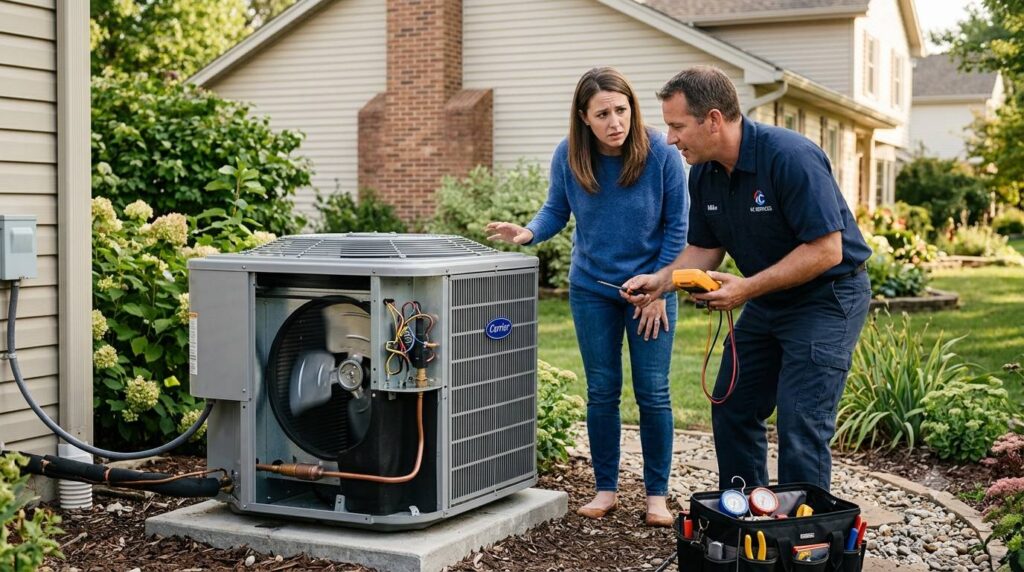
Your air conditioner is designed to keep your home cool without making much noise. A gentle humming sound while it is running is completely normal, but loud or unusual noises are not. If your system suddenly starts banging, buzzing, clicking, or squealing, it is usually a sign that something inside the unit needs attention. Ignoring these sounds can allow a small problem to become a much larger one. If you notice unusual noises coming from your system, scheduling AC repair Memphis can help identify the cause before it leads to expensive damage or a complete system breakdown.
Many homeowners hope that strange sounds will stop on their own, but that rarely happens. Air conditioners contain many moving parts, and each one must work properly for the system to cool your home efficiently. When one part becomes loose, worn, or damaged, it often creates a new sound that serves as an early warning. Learning what these noises mean can help you act quickly, protect your investment, and keep your home comfortable throughout the cooling season.
Why Does Your Air Conditioner Make Strange Noises?
Every air conditioner makes some level of noise while operating. You may hear the fan spinning, air moving through the vents, or the compressor turning on. These sounds are normal and usually stay the same each time the system runs.
When the sound suddenly changes or becomes louder than usual, it often means that something inside the system is not working as it should. Dust buildup, loose components, worn parts, blocked airflow, or electrical issues can all create unusual noises. Paying attention to these changes can help you catch problems early before they become more serious.
Banging or Clanking Sounds
A loud banging or clanking noise is one of the clearest signs that your air conditioner needs attention. This sound often means that a part inside the system has become loose or broken. In some cases, the blower fan, connecting rods, or other moving components may have shifted out of place. As the system continues running, those loose parts can strike other components and cause additional damage.
If you hear this type of noise, it is best to turn the system off instead of letting it continue to run. A professional inspection can identify the damaged part before it creates a larger repair that may be much more expensive.
Buzzing Sounds
A buzzing sound can have several possible causes, which is why it should never be ignored. Sometimes the problem is simple, such as leaves, dirt, or small debris collecting around the outdoor unit. In other situations, buzzing may point to loose electrical wiring, a failing capacitor, or a motor that is beginning to wear out.
Electrical problems should always be taken seriously because they can affect both the performance and safety of your HVAC system. Having the unit inspected early can prevent further damage and restore normal operation.
Clicking Sounds
Most air conditioners make a single clicking sound when they start or stop. This is part of the normal operating cycle and usually is not a cause for concern.
However, repeated clicking or clicking that continues while the system is running often points to an electrical issue. The thermostat, control board, or electrical relay may not be functioning correctly. If the clicking becomes frequent or the air conditioner struggles to start, it is time to schedule an inspection before the problem becomes worse.
Squealing or Screeching Sounds
A high-pitched squealing or screeching noise usually comes from moving parts inside the air conditioner. Older systems with belts may produce this sound when a belt becomes loose or worn. In newer systems, worn bearings or a failing fan motor are more common causes.
These parts experience normal wear over time, especially if the system has not received regular maintenance. Replacing worn components early helps prevent additional stress on the motor and keeps the air conditioner operating smoothly.
Hissing Sounds
A hissing sound should always be investigated because it may indicate a refrigerant leak or escaping air from damaged ductwork. Refrigerant is necessary for the cooling process, and a leak can reduce your system’s ability to cool your home properly.
Because refrigerant requires special handling, homeowners should never attempt to repair this type of problem themselves. A qualified HVAC technician has the proper equipment to locate the leak, make repairs, and safely restore the correct refrigerant level.
Rattling Sounds
Rattling is often one of the first noises homeowners notice. In many cases, it happens because screws, panels, or other small parts have become loose over time. It can also occur when leaves, sticks, or small stones become trapped inside the outdoor condenser unit.
While some debris can be removed safely after turning off the system, ongoing rattling usually means that an internal inspection is needed. Taking care of the problem early helps prevent loose parts from causing more serious damage.
Whistling Sounds
A whistling sound usually points to restricted airflow somewhere in the system. A dirty air filter, blocked air vent, or leaking duct can all create this type of noise as air struggles to move through the system.
Replacing a clogged air filter is often the first step because it is simple and inexpensive. If the sound continues after replacing the filter, the ductwork or another part of the HVAC system may need professional attention.
When Should You Take Action?
Not every unusual sound means your air conditioner has a major problem, but you should never ignore a new noise that continues or becomes louder over time. If the sound is followed by weak airflow, warm air from the vents, longer cooling cycles, or frequent system cycling, there is a good chance that something inside the unit needs repair. Taking action early can often prevent a small repair from turning into a much larger and more expensive problem.
Some sounds require immediate attention because they may indicate serious mechanical or electrical issues. Continuing to operate the air conditioner after hearing these warning signs can increase damage to important components. If you are unsure whether the sound is normal, turning the system off and contacting an HVAC professional is usually the safest decision.
Take action if you notice:
- Loud banging, clanking, or grinding noises
- Constant buzzing or repeated clicking sounds
- Hissing that continues while the system is running
- Weak cooling or poor airflow along with unusual noises
- Burning smells or signs of electrical problems
- Water leaking around the indoor unit
How Regular Maintenance Helps Prevent Strange Noises
Many unusual air conditioner noises develop because parts gradually become dirty, loose, or worn with everyday use. Regular maintenance allows these small issues to be found and corrected before they lead to larger repairs. During a professional service visit, a technician can inspect moving parts, tighten electrical connections, clean important components, check refrigerant levels, and make sure the system is operating safely and efficiently.
Homeowners can also help prevent many common problems by following a few simple maintenance habits. Replacing the air filter on time, keeping the outdoor unit free from leaves and debris, and paying attention to changes in airflow or cooling performance all reduce stress on the system. These small steps improve efficiency, help prevent unexpected breakdowns, and allow your air conditioner to continue running quietly for many years.
Wrapping Up
Strange noises are often the first sign that your air conditioner needs attention. While some sounds may have simple causes, others can point to worn parts, airflow restrictions, refrigerant leaks, or electrical problems that require professional repair. Listening to your system and responding quickly when something sounds unusual can help prevent expensive repairs and extend the life of your air conditioner. Regular maintenance, combined with prompt action when problems appear, is the best way to keep your home comfortable and your cooling system working reliably throughout the year.